
Across continents, the popularity of halal food has grown beyond cultural and religious boundaries. Today, people from all backgrounds appreciate it for its purity, ethical sourcing, and distinctive flavor traditions. From street markets in Asia to modern restaurants in North America, the demand for halal food continues to rise. This global appreciation has encouraged restaurants, including places like https://ilgreco.ca/, to serve meals that reflect quality, authenticity, and respect for dietary values. As travelers explore new cuisines and communities come together, halal dishes stand out for their richness, diversity, and deep cultural roots.
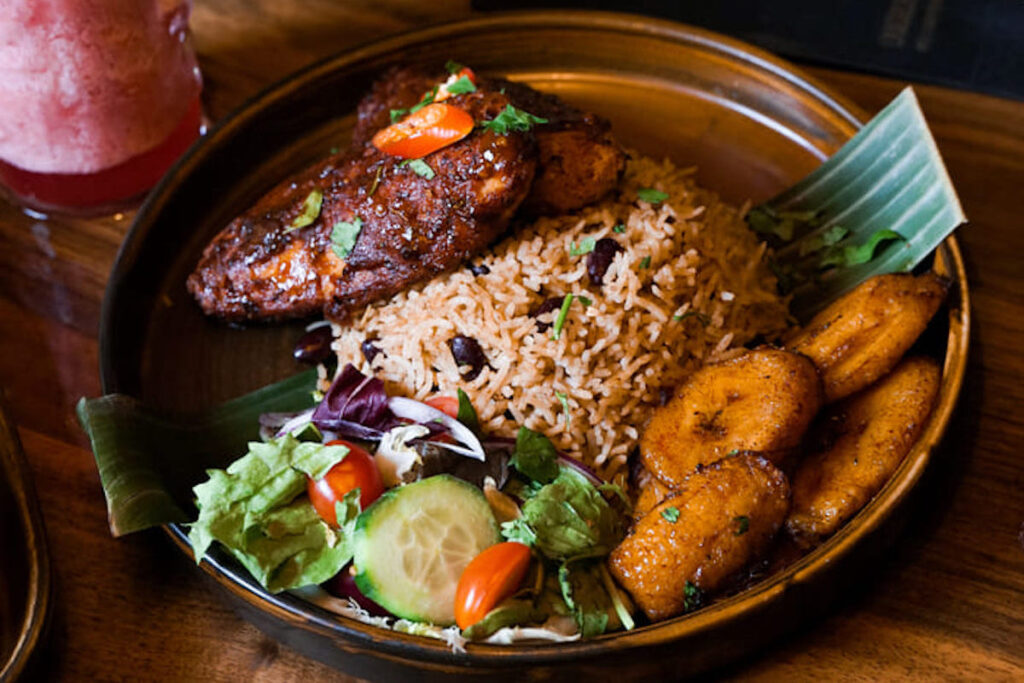
The Global Rise of Halal Culinary Culture
One of the strongest reasons behind the worldwide success of halal cuisine is its foundation in cleanliness and careful preparation. These guiding principles ensure that meals are not only delicious but are also produced with integrity. This commitment to quality has allowed halal cuisine to earn a respected place in international food culture.
Whether you’re tasting Middle Eastern grilled meats, South Asian curries, or North African slow-cooked dishes, halal culinary traditions offer exceptional depth. Many non-Muslims are also choosing halal meals due to growing awareness of healthy and ethically sourced food options. As a result, halal restaurants and grocery stores are expanding rapidly across Europe, North America, and Southeast Asia.
Middle Eastern Halal Classics
Middle Eastern cuisine is widely recognized as one of the pillars of global halal culinary culture. Dishes such as shawarma, kebabs, and kofta represent centuries of flavor evolution. Shawarma, for example, has become a global favorite due to its tender marinated meat and fresh accompaniments wrapped in soft bread.
Another beloved dish is mandi, a slow-cooked rice and meat specialty popular in Yemen and the Gulf countries. Its fragrant aroma and delicate spices make it a top choice for families and gatherings. These dishes highlight why Middle Eastern cuisine has become a major influence in today’s halal food market.
South Asian Favorites Gaining Global Attention
South Asia offers some of the most flavorful contributions to halal cuisine. Biryani, with its layered rice, tender meat, and aromatic spices, is one of the region’s signature dishes. Each country has its own version, from Hyderabadi biryani to Karachi biryani, making it an internationally admired meal.
Curries from Pakistan, India, and Bangladesh also play a major role in the global halal dining scene. Their balance of spices, herbs, and slow-cooked textures creates meals that appeal to both locals and tourists. The richness of South Asian flavors has brought halal food to new audiences, expanding cultural appreciation around the world.
African Halal Traditions Making Their Mark
Africa contributes a vibrant and essential chapter to the story of halal cuisine. In North Africa, dishes like couscous, tagine, and harira carry a legacy of centuries-old traditions. Their slow-cooked nature allows spices and ingredients to blend beautifully, producing meals full of depth and warmth.
In East Africa, pilau, grilled meats, and coconut-based dishes have also gained international recognition. These meals combine cultural heritage with bold flavors that appeal to global food lovers. Through its diverse traditions, Africa continues to strengthen the worldwide presence of halal food, connecting communities through taste and history.
Halal Food in Western Countries
In Western nations such as Canada, the United States, Germany, and the United Kingdom, halal cuisine has become increasingly mainstream. The rise of multicultural communities has encouraged many restaurants and supermarkets to offer halal-certified options.
Modern halal restaurants blend traditional recipes with contemporary styles, creating unique fusion dishes. This evolution highlights how halal cuisine is both rooted in heritage and adaptable to modern trends. Businesses like https://ilgreco.ca/ represent this movement by offering inclusive dining experiences that cater to diverse preferences.
The Modern Appeal of Halal Dining
Many people choose halal meals not only for religious reasons but also for their emphasis on ethical sourcing, humane treatment of animals, and clean preparation. As awareness of food safety grows, halal practices are seen as reliable and trustworthy. Restaurants worldwide now proudly display halal certifications to assure customers of quality and authenticity.
Today, families, travelers, and students seek out halal dining options when exploring new regions. Whether it is a street vendor serving grilled meat, a cozy café offering rice dishes, or a high-end restaurant preparing fusion meals, halal cuisine offers something for everyone.
FAQ Section
What makes halal food different from regular food?
Halal meals follow specific Islamic dietary guidelines, ensuring clean, ethical, and carefully prepared ingredients.
Is halal food only for Muslims?
No. Many non-Muslims enjoy halal dishes due to their flavor, quality, and ethical preparation standards.
Why is halal food becoming popular worldwide?
Its popularity is increasing because more people value clean, responsibly sourced meals that preserve authentic cultural flavors.
Can halal food be healthy?
Yes. Many halal dishes include lean meats, vegetables, herbs, and natural ingredients, making them wholesome and nutritious.
Conclusion
The global love for halal food continues to grow as more people appreciate its authenticity, purity, and remarkable flavors. From Middle Eastern grills to South Asian curries and African traditions, halal cuisine showcases the beauty of cultural diversity. As communities worldwide embrace new dining experiences, halal meals remain a symbol of quality and tradition. With increasing availability, especially in multicultural regions, the future of halal food looks brighter than ever.